
Petrol garage: 15 litres a minute lost underground
The meter kept moving with every outlet shut. Tracer gas led to a flooded chamber where several mains leaks were repaired.
A rising water bill, falling heating pressure or damp ceilings can interrupt the working day. ADI traces hidden leaks in commercial buildings across England, Scotland and Wales.
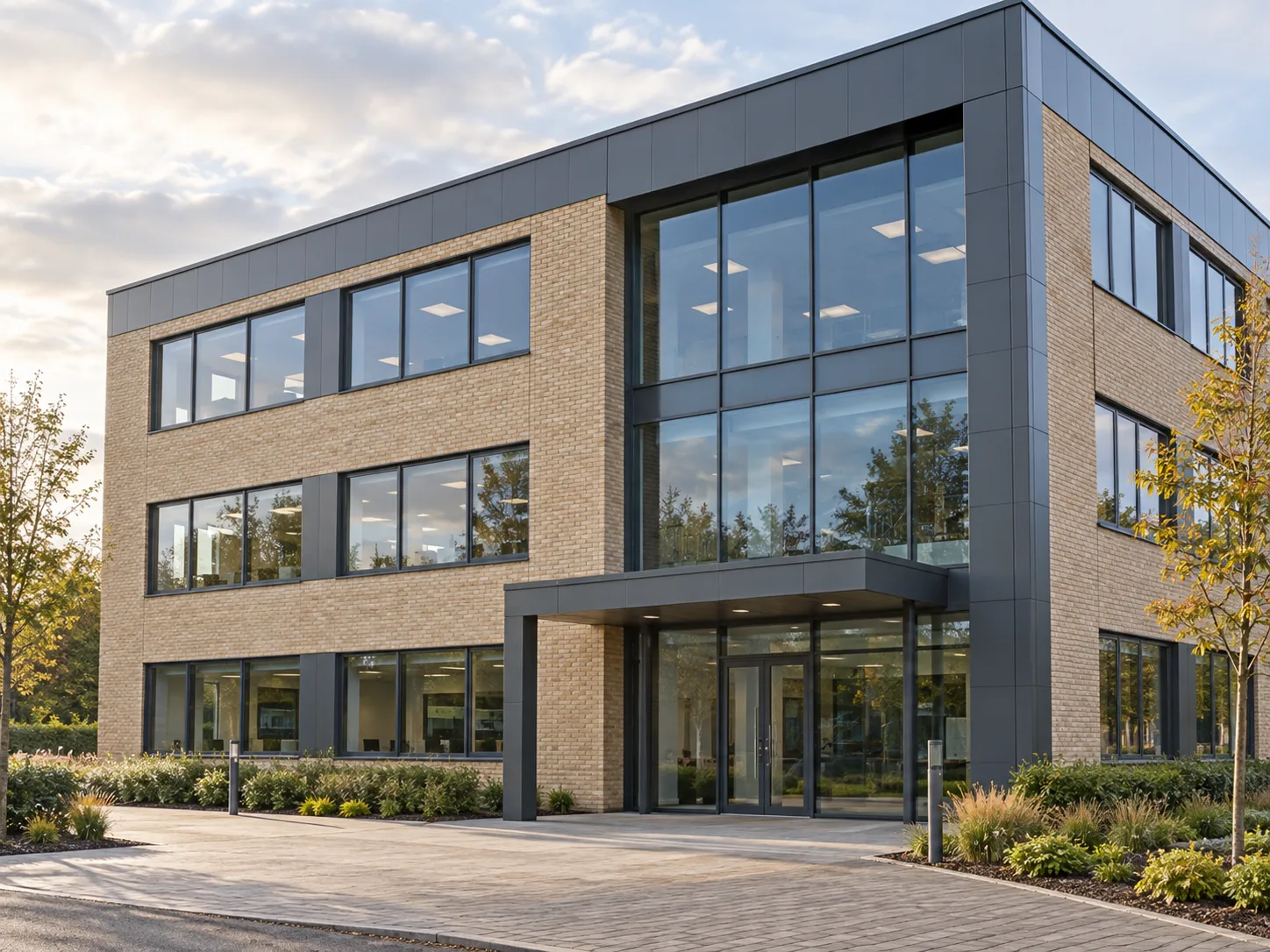
Select an area of the building to see common warning signs and the equipment used to investigate.
What you notice. An unexplained rise in consumption, low incoming pressure or wet ground around a yard can point to a buried supply leak. Long runs between the meter and separate buildings need checking section by section.
How it is found. Acoustic listening, leak correlation and tracer gas help narrow the search beneath car parks, service roads and yards.
How we investigate mains and external pipeworkWhat you notice. A wet patch on a reception floor, uneven heating or repeated topping up can be signs of a leaking loop beneath the screed.
How it is found. Pressure tests identify the affected circuit. Thermal imaging, tracer gas and acoustic listening then help locate the loss.
How we investigate underfloor heatingWhat you notice. Water can travel along service routes before it becomes visible. A stained ceiling tile may sit some distance from the failed hot or cold feed.
How it is found. Moisture readings and thermal imaging guide the inspection. A borescope can look inside accessible voids, with pressure tests to separate the supplies.
How we investigate risers and ceiling voidsWhat you notice. Recurring water around a WC, shower or changing room needs a check of the fittings, supply pipes and drainage. Note whether it appears during use or continues overnight.
How it is found. Controlled dye tests and moisture readings help distinguish a waste or seal problem from a concealed pipe leak.
How we investigate washrooms and showersWhat you notice. A heating system that needs frequent replenishment may be losing water in the distribution pipework. Record the pressure changes and any visible discharge for the engineer.
How it is found. Circuit isolation, pressure testing and suitable thermal, acoustic or tracer gas tests help investigate hidden heating leaks.
How we investigate heating and plant roomsWhat you notice. A wet ceiling beneath a flat roof or damp around the cladding may follow wind-driven rain. The entry point and the stain are not always in the same place.
How it is found. Moisture mapping and roof-specific tests investigate water ingress. Suitable sites may use electronic roof testing or thermal drone inspection.
How we investigate roofs and building fabricADI’s engineers select a combination of equipment to trace leaks beneath floors, above ceilings and across external pipe networks.
Sensors detect tracer gas escaping from suitable isolated pipework to help locate hidden leaks.
A hydrogen and nitrogen tracer mixture is introduced into suitable isolated pipework. A sensor searches for gas escaping towards the surface.
On commercial sites: Buried supplies, heating loops and concealed pipes where direct access is limited.
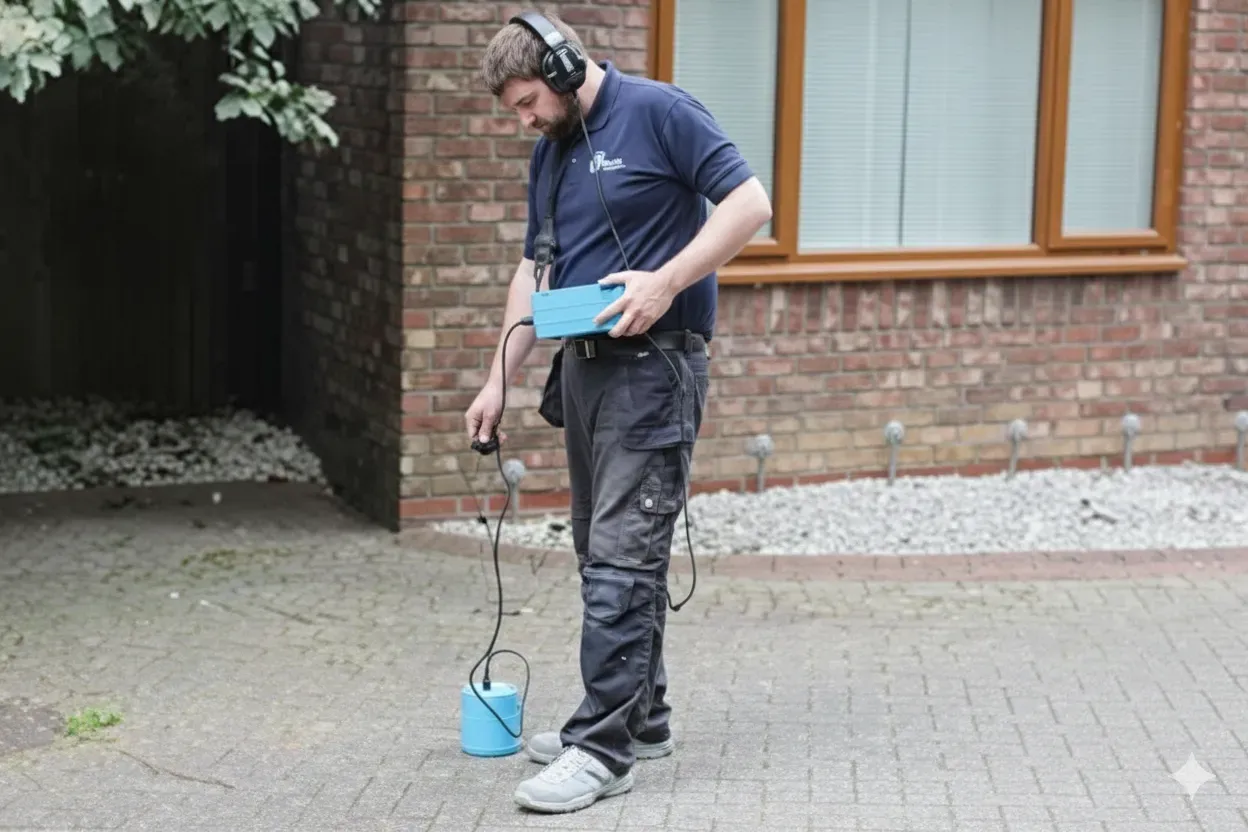
Microphones listen for escaping water beneath floors and paving; site noise can affect readings.
Sensitive ground and pipe microphones amplify the sound of escaping water. The engineer compares readings along the suspected route.
On commercial sites: Pressurised pipes beneath floors, yards and parking areas. Background machinery and traffic can affect the readings.
Two sensors compare leak sounds to estimate the position along an underground pipe.
Sensors listen at two points on a pipe. Differences in the arrival time of leak noise help calculate a likely position between them.
On commercial sites: Long underground water mains serving industrial estates or several commercial buildings.
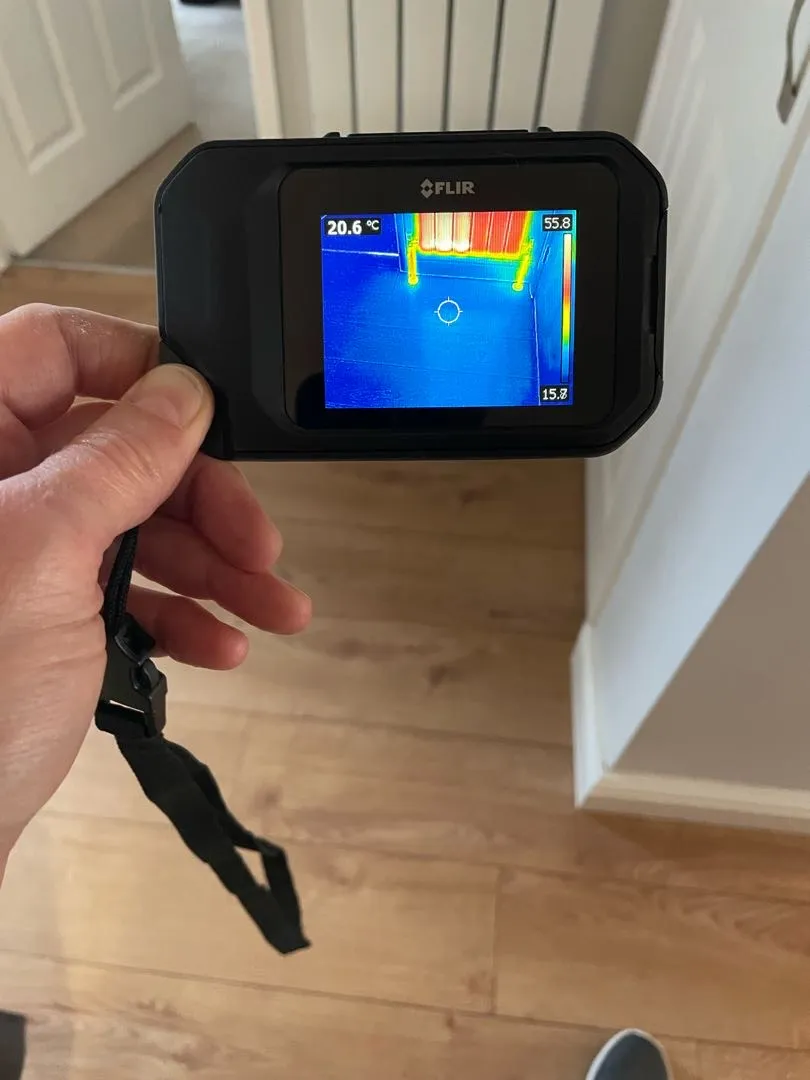
Thermal cameras reveal surface temperature patterns that guide further leak checks.
An infrared camera records surface temperature differences. Patterns can help trace warm pipe routes or areas affected by moisture, with other tests used to investigate the cause.
On commercial sites: Heating distribution, underfloor circuits and damp areas behind finished surfaces.
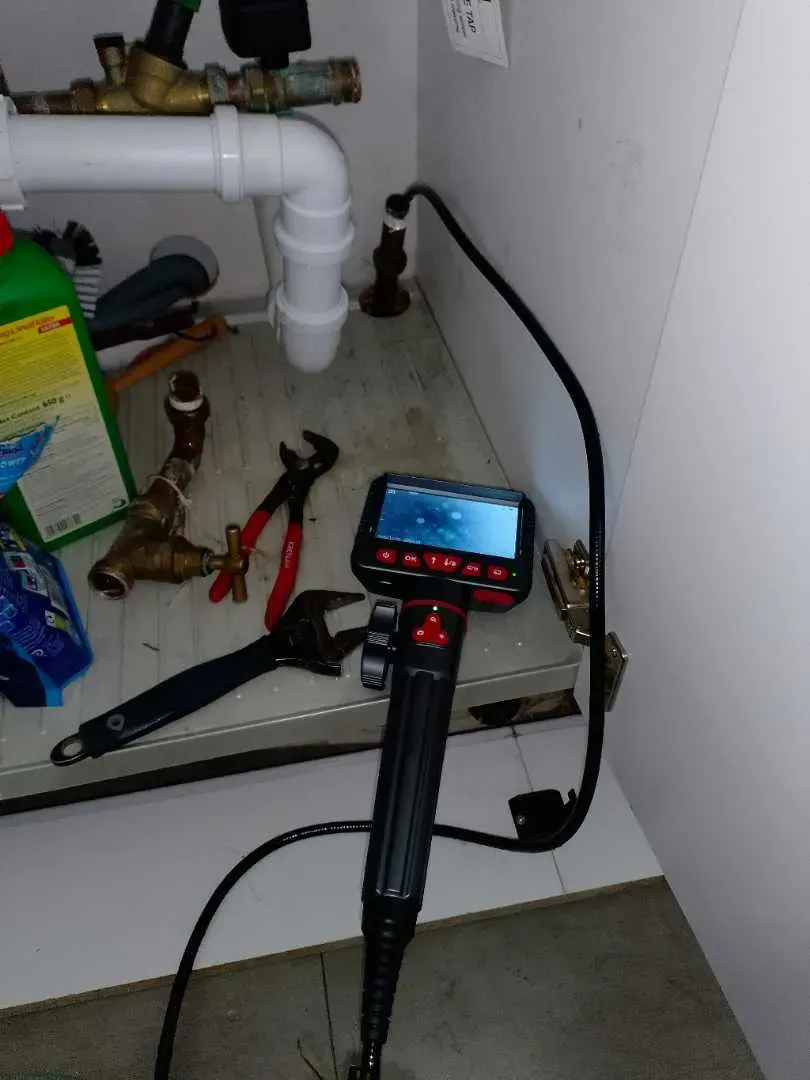
Small cameras inspect concealed pipework through existing access points or a small opening.
A small camera reaches into awkward spaces to inspect concealed pipework. An existing access point or a small opening may be needed.
On commercial sites: Service ducts, boxed-in pipes, ceiling voids and the spaces behind washroom fittings.
Moisture readings map damp areas and guide testing; they do not identify the source alone.
Readings across walls and floors show the extent and pattern of moisture. They guide further testing; a damp reading alone does not identify the source.
On commercial sites: Tracing the spread around a ceiling stain, wet floor or suspected roof leak.
Controlled pressure tests help identify leaking circuits and check completed pipe repairs.
An isolated section is tested for pressure loss under controlled conditions. This helps identify the affected circuit and check a completed pipe repair.
On commercial sites: Separating supplies and heating zones before more detailed leak location work.
Read how ADI investigated hidden leaks at commercial properties, with findings and photographs from its published case studies.
The meter kept moving with every outlet shut. Tracer gas led to a flooded chamber where several mains leaks were repaired.
Give the postcode, building use and symptoms. Mention rising consumption, pressure loss or visible water, and explain which parts of the business are affected. The office confirms availability and a quotation.
Nominate a contact who can open plant rooms, meter chambers and affected areas. Share available pipe drawings, induction requirements and any limits on water or heating interruptions.
The engineer reviews the symptoms and accessible systems with your site contact. ADI supplies a risk assessment and method statement for commercial work before testing begins.
The tests depend on the pipework, surfaces and access. The engineer may isolate sections, compare moisture or temperature patterns, listen for escaping water or use tracer gas.
Photographs and findings give your facilities team a record of the investigation. Share it with the contractor arranging the repair or your insurer, as required.
Ask which pipe repairs can be quoted during the visit. Access, materials and time affect what is possible. Building fabric faults may need a roofer or another specialist using the survey findings.


Review excerpt
Read the full review“When we phoned ADI the person we spoke to was helpful not pushy explained there procedure and sent a full quote.”
Review excerpt
Read the full review“He also uncovered unrelated issues which we are in the process of getting fixed. Thank you Hamaad.”
Review excerpt
Read the full review“He took his time on the hottest day of the year to explain everything to me, and ensure the leak location was correct.”
Customer review
Read the full review“Great service from Joe and Darren booked in quickly and leak all sorted will definitely use again if have any leak issues”
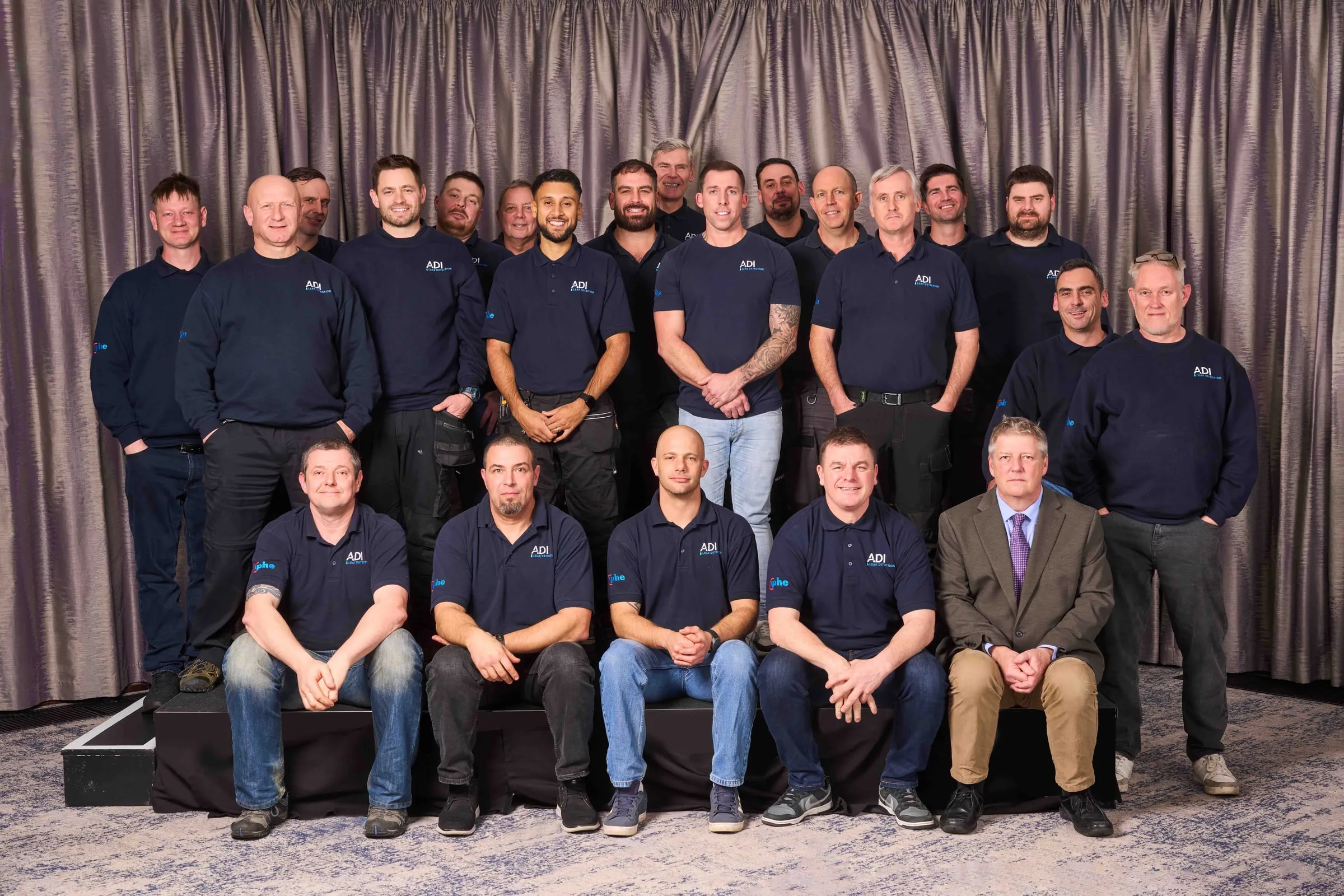
Commercial Leak Detection, a specialist service from ADI Leak Detection. ADI started in 2011 and has more than twenty-five leak investigation engineers across England, Scotland and Wales, working in offices, retail premises, hotels and industrial buildings.
ADI works in commercial and industrial premises, including retail, hospitality, healthcare, education and manufacturing. Describe the building and the affected water system when you call so the office can scope the right survey.
Discuss this when booking. Some tests require water or heating isolation, and the engineer needs access to the affected areas. Share your operating hours and critical services so the work can be planned around the site where possible.
The survey uses equipment to narrow the search before access work is considered. A small opening may still be needed for inspection or repair. The amount of disturbance depends on the construction and where the pipe can be reached.
Yes. ADI supplies a risk assessment and method statement before commercial leak detection work starts. Send any induction, permit or access requirements to the office when arranging the visit.
The site address, meter and pressure records, photographs of the damage, available pipe drawings and a contact who can arrange access. Include any automatic water use or shared supplies that may explain meter movement.
Ask the office to include repair options in the quotation. Some pipe repairs can be completed during the visit when access, materials and time allow. Roof, finish and building fabric repairs may need another contractor.
Yes. The findings and photographs can support the information you provide for a claim. Ask your insurer what it needs and whether it requires approval before the survey; the report does not guarantee that a claim will be accepted.
Tell the office about the building, the signs of a leak and the postcode. ADI will discuss access, any restrictions on water shut-offs, the survey cost and current availability.


